Have you ever woken up feeling more tired than when you went to bed? Or perhaps your partner has complained about your loud snoring, joking that it sounds like a freight train running through the bedroom. While we often laugh off snoring, it can sometimes be a sign of a more serious condition known as sleep apnea.
As a dentist, I see patients every day who are surprised to learn that the secret to a better night’s rest might actually be found in the dental chair. For years, the standard solution has been the CPAP machine, but let’s be honest—strapping a mask to your face isn’t for everyone. Today, I want to walk you through the connection between dentistry and sleep, and help you compare two popular treatments: oral appliances and CPAP.
Understanding the Connection: Why a Dentist for Sleep Issues?
You might be wondering, “Dr. Vafa, why are you talking about sleep? Shouldn’t I see a sleep specialist?” That is a great question. While sleep doctors diagnose the condition, dentists play a crucial role in treating it, specifically when it comes to the anatomy of your mouth and jaw.
Most cases of this condition are classified as Obstructive Sleep Apnea (OSA). This happens when the soft tissues in the back of your throat collapse during sleep, blocking your airway. When you can’t breathe, your oxygen levels drop, and your brain wakes you up just enough to gasp for air. This can happen hundreds of times a night without you even remembering it.
Because the obstruction is caused by the position of the jaw, tongue, and soft palate, we can use dental science to keep that airway open. My goal is to help you breathe freely so your body can get the restorative rest it needs to function.
The Gold Standard: Continuous Positive Airway Pressure (CPAP)
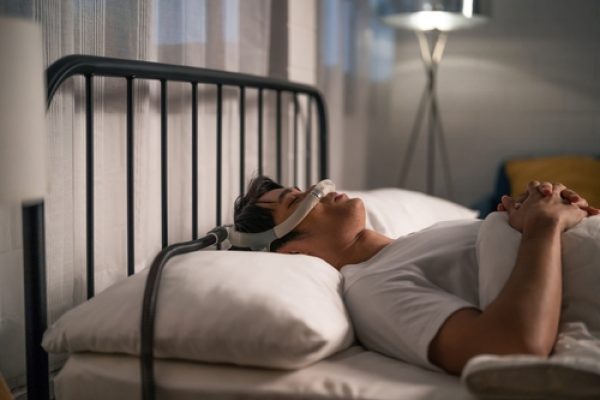
For a long time, the primary treatment for sleep apnea has been the CPAP machine. CPAP stands for Continuous Positive Airway Pressure. It works by pushing a steady stream of air through a mask and into your airway to keep it propped open.
The Benefits of CPAP
There is no denying that CPAP is effective. For severe cases, it is often the best way to ensure oxygen keeps flowing. It can drastically reduce the number of times you stop breathing at night and can lower the risk of heart disease and stroke associated with untreated OSA.
The Challenges with CPAP
However, effectiveness only matters if you actually use the device. In my practice, I hear many patients complain about the CPAP experience. It can be bulky, noisy, and uncomfortable. Some people feel claustrophobic wearing the mask, while others struggle with dry mouth or skin irritation.
This brings me to a critical data point regarding compliance.
Data Point 1: According to various medical studies, CPAP adherence rates can be surprisingly low. Research suggests that nearly 50% of patients abandon their CPAP therapy within the first year because they find it too difficult to tolerate.
If you don’t wear the mask, you aren’t treating the problem. This is where dental sleep medicine offers a fantastic alternative.
The Dental Solution: Oral Appliance Therapy
If you have mild to moderate sleep apnea, or if you simply cannot tolerate a CPAP machine, an oral appliance might be the life-changing solution you have been looking for. As a dentist, I specialize in fitting these custom devices.
What is an Oral Appliance?
Think of an oral appliance as a sophisticated sports mouthguard or a specialized retainer. We typically use a Mandibular Advancement Device (MAD). The concept is simple yet brilliant: the device fits over your upper and lower teeth and gently positions your lower jaw (mandible) forward.
By moving the jaw forward, we also pull the tongue away from the back of the throat. This prevents the airway from collapsing and allows air to flow freely without the need for hoses, masks, or electricity.
Why Patients Love Oral Appliances
- Comfort: They are custom-made to fit your mouth perfectly, making them much easier to wear than a mask.
- Portability: You can slip the device into a small case and toss it in your travel bag. No need to lug around a heavy machine or look for an outlet at the airport.
- Silence: The device makes no noise. Both you and your sleeping partner will appreciate the quiet.
- Ease of Use: There are no settings to adjust or tubes to untangle. You simply pop it in and go to sleep.
Comparing the Effectiveness: A Visual Breakdown
To help you visualize how these treatments stack up against each other in terms of patient experience, I have put together a comparison based on feedback I receive in my clinic.
Patient Satisfaction & Compliance Comparison
Portability (Travel Friendly)
Comfort During Sleep
Long-Term Compliance
*Based on general patient reporting and observation in clinical settings.
The Health Risks of Ignoring the Problem
I cannot stress enough how important it is to treat this condition. It is not just about feeling groggy in the morning. Untreated airway issues put massive stress on your cardiovascular system.
Data Point 2: Research indicates that people with severe untreated sleep apnea are two to three times more likely to have a stroke or heart attack compared to those without the condition. Addressing your sleep hygiene is literally a life-saving measure.
When you sleep better, your blood pressure stabilizes, your mood improves, and your mental clarity returns. It is truly rewarding for me to see patients return for a follow-up visit looking ten years younger simply because they are finally sleeping through the night.
For more in-depth information on how sleep affects your overall health, I recommend reading this article from the Sleep Foundation regarding the comprehensive effects of sleep disorders.
The Process: Getting Your Oral Appliance
If you decide that an oral appliance is the right path for you, you might be wondering what the process looks like. I strive to make it as easy and comfortable as possible.
Step 1: Consultation and Diagnosis
First, we need to confirm your diagnosis. If you haven’t had a sleep study yet, I can refer you to a sleep physician. If you have already been diagnosed with mild to moderate sleep apnea, or if you are CPAP intolerant, we can move forward.
Step 2: Digital Impressions
Gone are the days of gooey, uncomfortable impression trays. I use advanced digital scanners to take a precise 3D image of your teeth and jaw. This ensures the device fits perfectly, which is key to avoiding tooth movement or jaw soreness.
Step 3: Fitting and Adjustments
Once your custom device is ready, you will come back to my office. I will check the fit and show you how to adjust the advancement mechanism. It is usually adjustable, meaning we can slowly move the jaw forward in tiny increments until we find the “sweet spot” where your snoring stops and your airway stays open.
Is an Oral Appliance Right for Everyone?
While I am a huge advocate for dental sleep medicine, I always want to be transparent. Oral appliances are most effective for mild to moderate cases. If you have extremely severe OSA, CPAP might still be the safest option, though sometimes we use “combination therapy,” where you use both an appliance and a CPAP machine together. This often allows the CPAP pressure to be turned down, making it much more comfortable.
Also, because the device attaches to your teeth, you need to have a generally healthy mouth. If you have severe gum disease or many missing teeth, we might need to address those issues first.
Frequently Asked Questions (FAQ)
I know this is a lot of information, and my patients often have similar questions. Here are the most common ones I answer in the office.
Will an oral appliance hurt my jaw?
Some patients experience minor morning stiffness in the jaw for the first few weeks. This is temporary. I will provide you with a simple morning aligner or exercise to help your bite return to normal quickly after you wake up. Most patients find the adjustment period very short.
Does insurance cover dental sleep devices?
Yes, in many cases, medical insurance (not just dental insurance) will cover oral appliances for sleep apnea because it is a medical condition. My office team works hard to help you navigate your benefits to minimize out-of-pocket costs.
How long does the device last?
With proper care, a custom-made oral appliance can last between 3 to 5 years. I recommend bringing it with you to your regular dental checkups so I can inspect it for wear and tear.
Can I just buy a boil-and-bite guard from the drugstore?
I strongly advise against this. Store-bought guards are not designed to hold the jaw forward effectively for airway management. They are often bulky, uncomfortable, and can cause unwanted shifts in your teeth or jaw pain. For treating a serious medical condition, a custom-fit device is essential.
Will it stop my snoring completely?
For the vast majority of my patients, yes. The oral appliance is incredibly effective at eliminating the vibrations that cause snoring. Your partner will likely be the first one to thank you!
Taking the Next Step Toward Better Rest
Sleep is one of the pillars of good health, right alongside diet and exercise. If you are struggling with a bulky mask, or if you are keeping your household awake with loud snoring, you do not have to suffer in silence. Dentistry has evolved, and we now have comfortable, effective tools to help you reclaim your nights.
I invite you to come in and talk about your options. Whether it is CPAP or an oral appliance, the most important thing is that you are treating your airway health. Let’s work together to ensure you wake up energized, happy, and ready to take on the day.