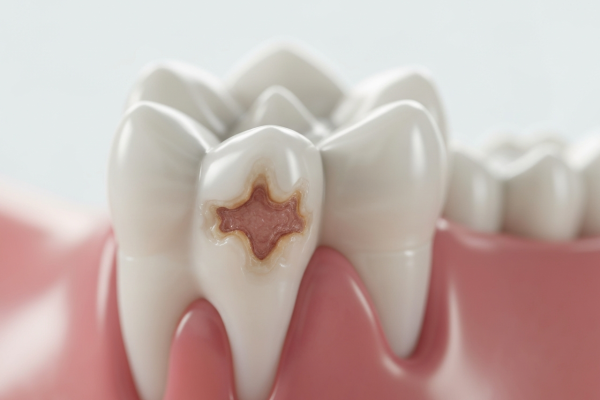
As a holistic dentist, I often see patients who have visited multiple doctors and specialists seeking answers for chronic pain, fatigue, or unexplained health issues. They know something is wrong, but their standard blood tests and routine dental X-rays come back looking “normal.” In my practice, one of the most overlooked culprits behind these mysterious symptoms is something known as dental cavitations.
You might be familiar with cavities in your teeth, but a cavitation is different. It is a hidden hole within the jawbone that can harbor bacteria and toxins. Today, I want to take you on a deep dive into understanding what these jaw infections are, why they happen, and how they could be impacting your overall health. My goal is to empower you with knowledge so you can take charge of your wellness journey.
What Exactly Is a Dental Cavitation?
When I explain this to patients, I like to keep it simple. Imagine a hollow space inside your jawbone where healthy bone tissue should exist. In medical terms, we often refer to this as Ischemic Bone Necrosis or FDOJ (Fatty Degenerative Osteonecrosis of the Jaw). “Ischemic” means there is a lack of blood flow, and “necrotic” means dead tissue.
Essentially, a dental cavitation is a pocket of dead bone tissue. Because there is little to no blood flow reaching this area, your immune system cannot effectively clean it out. As a result, this dark, oxygen-deprived hole becomes a breeding ground for pathogens, bacteria, and toxic byproducts.
It is important to understand that these are not typically painful in the way a toothache is. They are often “silent” infections, which is why they can go undiagnosed for years, or even decades.
The Primary Causes: Where Do They Come From?
You might be wondering, “Dr. Vafa, how did I get a hole in my jawbone?” The most common cause I see in my clinic is previous tooth extractions, particularly wisdom teeth removal.
When a tooth is pulled, the body is supposed to fill that empty socket with new, healthy bone. However, for this to happen, the periodontal ligament (the tissue that holds the tooth to the bone) must be completely removed during the extraction. If a piece of that ligament is left behind, or if the bone isn’t cleaned properly, the body might think the tooth is still there. Consequently, the bone doesn’t heal correctly, leaving a spongy, hollow spot.
Other factors that can contribute to these hidden infections include:
- Trauma: A heavy blow to the jaw can disrupt blood flow to the bone.
- Clotting Disorders: If your blood creates clots too easily or not enough, it affects bone healing.
- Steroid Use: Long-term use of certain medications can weaken bone density and healing capabilities.
- Infected Root Canals: Bacteria from a root canal treated tooth can leak into the surrounding bone.
The Whole-Body Connection: Why It Matters
In holistic dentistry, we understand that the mouth is not separate from the rest of the body. Everything is connected. This is where the concept of dental cavitations becomes critical for your general health.
These hollow spaces in the jaw are not empty; they are filled with toxins. Research has shown that cavitations often contain high levels of RANTES (Regulated on Activation, Normal T Cell Expressed and Secreted). RANTES is a highly inflammatory protein.
Data Point 1: The RANTES Connection
Studies investigating chronic fatigue and jawbone cavitations have found that the fluid inside these cavitations can contain RANTES levels up to 20 to 30 times higher than what is found in healthy blood serum. This massive load of inflammation can enter your bloodstream and travel to other parts of your body.
This constant drip of inflammation can overstimulate your immune system, potentially leading to or worsening autoimmune diseases, heart problems, and chronic fatigue.
Symptoms That Go Beyond the Jaw
While some patients do experience “phantom tooth pain” or trigeminal neuralgia (severe facial pain), many of my patients have no jaw pain at all. Instead, their symptoms manifest elsewhere. Because I look at the Meridian Tooth Chart—which maps each tooth to specific organs—I often trace systemic issues back to the jaw.
Here are common symptoms associated with dental cavitations:
- Chronic Fatigue: Feeling tired despite getting enough sleep.
- Joint Pain: Unexplained aches in knees, shoulders, or hips.
- Digestive Issues: Gut problems that don’t resolve with diet changes.
- Brain Fog: Difficulty concentrating or remembering things.
- Headaches: Recurring migraines or tension headaches.
Why Standard X-Rays Miss the Picture
One of the biggest frustrations for patients is being told their X-rays are clear. The problem is that standard dental X-rays are 2D images. A dental cavitation is often like a hollow pumpkin; the shell looks hard and intact, but the inside is mushy. On a 2D X-ray, the density of the outer bone (cortical plate) makes the bone look solid, hiding the infection inside.
In my practice, we utilize 3D Cone Beam CT scans (CBCT). This advanced technology allows us to look at the jawbone slice by slice. It gives us a three-dimensional view that reveals the changes in bone density, helping us spot these hidden pockets of infection that traditional methods miss.
For more deep reading on the pathology of jawbone infections, I recommend looking at studies archived by the National Center for Biotechnology Information (NCBI).
Diagnosing and Treating Dental Cavitations
Once we suspect a cavitation, usually confirmed via a CBCT scan, we can move toward a solution. The good news is that these are treatable, and the relief patients feel afterward is often profound.
The Surgical Cleaning Process
The most effective treatment is typically a minor surgical procedure. I open the gum tissue to access the bone. In almost all cases, once I penetrate the outer layer of bone, I find the hollow, mushy, or fatty tissue underneath. We thoroughly clean this area out.
Here is the protocol I generally follow to ensure optimal healing:
- Removal: We physically remove all dead bone and debris.
- Disinfection: I use ozone gas or ozone water. Ozone is a powerful antimicrobial agent that kills bacteria, viruses, and fungi without harming healthy cells.
- Regeneration: We often use PRF (Platelet Rich Fibrin). We draw a small amount of your blood, spin it to concentrate the healing platelets, and place this “membrane” into the cleaned socket. This signals your body to grow new, healthy bone.
Data Point 2: Patient Recovery Rates
In holistic dental practices focusing on cavitation removal, observational data suggests that approximately 70% to 80% of patients with atypical facial neuralgia report a significant reduction in pain scores within 30 days of the procedure, provided the site is cleaned thoroughly and holistic support is maintained.
Visualizing the Impact: Inflammation Reduction
To help you understand the goal of treating dental cavitations, look at this representation of systemic inflammation levels before and after treatment. While every patient is unique, this trend is what we strive for.
Systemic Inflammation Markers (Hypothetical)
Comparing RANTES/Inflammation Levels Before and After Cavitation Surgery
Before
Treatment
1 Month
Post-Op
6 Months
Post-Op
*Graph represents typical reduction in inflammatory load observed in clinical holistic settings.
Supporting Your Body Through Recovery
Surgery is just one part of the equation. Because dental cavitations are often a sign that the body struggled to heal in the past, we need to make sure your body is ready to heal now. I always advise my patients to prepare their bodies before the procedure.
This includes optimizing Vitamin D levels, which are crucial for bone regeneration. I also recommend a diet rich in anti-inflammatory foods and perhaps specific supplements like Vitamin C and Zinc. Managing stress is also vital; a stressed body does not heal efficiently.
A Positive Outlook on Healing
I know that reading about “bone death” and “hidden infections” can sound scary. But I want you to view this information positively. Finding a dental cavitation is often the “missing link” that patients have been searching for. It provides an answer to unexplained symptoms and offers a clear path toward feeling better.
By addressing these hidden jaw infections, we aren’t just fixing a hole in the bone; we are removing a significant burden from your immune system. This allows your body to redirect its energy toward healing and vitality.
Frequently Asked Questions (FAQ)
1. Are dental cavitations rare?
They are actually more common than you might think. While exact statistics are hard to pin down because they are often undiagnosed, holistic dentists frequently find them in adults who have had wisdom teeth extracted previously. It is estimated that a significant portion of old extraction sites may not have healed perfectly.
2. Can antibiotics cure a dental cavitation?
Generally, no. Because a cavitation is an area of ischemic bone necrosis (dead bone with no blood flow), antibiotics cannot reach the area effectively. Antibiotics travel through the blood, so if blood isn’t getting to the infection, the medicine won’t either. Physical removal and cleaning are usually required.
3. Is the surgery for cavitations painful?
We take great care to ensure you are comfortable. We use local anesthesia to numb the area completely. Most patients report that the recovery is actually easier than the original tooth extraction. You might experience some swelling and soreness for a few days, but it is generally very manageable.
4. How do I know if I have a cavitation if nothing hurts?
This is the tricky part! If you have had teeth extracted and are experiencing systemic health issues like chronic fatigue, autoimmune conditions, or joint pain, it is worth investigating. A 3D CBCT scan is the best way to visualize the bone density and check for issues.
5. Can a cavitation come back after surgery?
While it is possible, using advanced healing protocols like Ozone therapy and PRF (Platelet Rich Fibrin) significantly reduces the risk. We also focus on your overall health and nutrition to ensure your body has the building blocks it needs to generate new, solid bone.
Moving Forward with Confidence
Understanding dental cavitations opens a new door to total body wellness. If you have been struggling with health issues that just don’t seem to add up, or if you have a history of dental extractions, I encourage you not to lose hope. The answers might be hiding in your jaw.
In my experience, addressing the root cause—literally—can change lives. By combining high-tech diagnostics with compassionate, holistic care, we can help you achieve the level of health you deserve. If you suspect you might have a cavitation, the next best step is to find a biological or holistic dentist who can perform a 3D scan and guide you on your path to recovery.