As a holistic dentist, I have spent years looking at more than just teeth and gums. I look at the whole person. One of the most fascinating connections I have found in my practice is the relationship between our dental health and the rest of our body. Specifically, I want to talk to you about a gentle, hands-on technique that is changing the way patients recover from dental procedures: Craniosacral Therapy (CST).
You might be wondering, “Dr. Vafa, why would I need therapy for my head after getting a filling or a crown?” It is a great question. The answer lies in how our skull, jaw, and nervous system are all wired together. In this post, I am going to explain exactly how this works and why integrating this therapy with your dental care can be a game-changer.
The Hidden Connection Between Teeth and Body
Most people think of their skull as a single, solid helmet of bone. In reality, your skull is made up of 22 different bones. These bones are connected by sutures, which are like puzzle pieces fitting together. They aren’t fused solid; they have a tiny amount of movement to allow for the rhythmic flow of cerebrospinal fluid. This fluid protects and nourishes your brain and spinal cord.
When I perform dental work, whether it is a long root canal, an extraction, or even just a routine cleaning that requires you to keep your mouth open for a long time, it puts stress on these bones. The jawbone (mandible) connects to the skull at the Temporomandibular Joint (TMJ). Tension here doesn’t just stay in the jaw. It radiates.
This is where the concept of Bodywork for TMJ becomes essential. We aren’t just treating a tooth; we are managing the structural impact that dental work has on your cranium and spine.
What Exactly is Craniosacral Therapy?
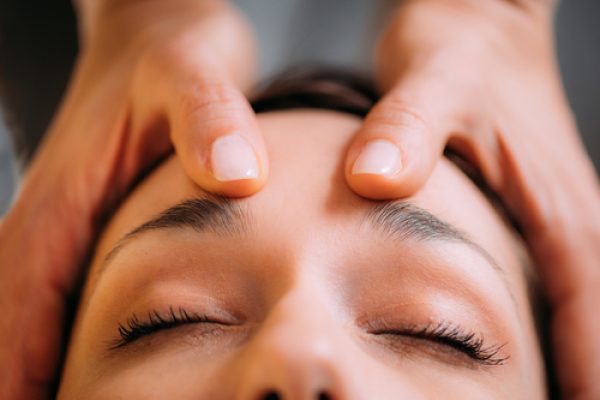
Craniosacral Therapy is a very gentle, non-invasive form of bodywork. It was developed by osteopathic physicians who realized that if the bones of the skull are tight or misaligned, it affects the central nervous system. A practitioner uses a very light touch—about the weight of a nickel—to test for restrictions in the craniosacral system.
By feeling the rhythm of the cerebrospinal fluid, a therapist can detect where your body is holding tension. They then use subtle movements to release that tension. It is incredibly relaxing. Many of my patients fall asleep during a session because it shifts the body from a “fight or flight” stress mode into a “rest and digest” healing mode.
Why Dental Work Can Cause Systemic Stress
Let’s look at this from a mechanical perspective. When you sit in my chair, several things happen that can disrupt your craniosacral rhythm:
- Prolonged Opening: Keeping your mouth open for 45 minutes or more strains the jaw muscles and compresses the joints near the ear.
- Vibration and Pressure: The vibration from drills or the pressure from extractions travels through the teeth into the jawbone and then into the rest of the skull.
- Injections: Anesthetic injections, while necessary for pain control, introduce fluid into tight tissue, creating temporary internal pressure.
- Psychological Stress: Let’s be honest, dental work causes anxiety for many. This emotional tension causes you to clench your neck and shoulder muscles, pulling on the base of the skull.
When these forces accumulate, the bones of the skull can become slightly jammed or restricted. This doesn’t mean your head is out of shape, but it does mean the microscopic movement between bones is compromised. This can lead to headaches, neck pain, and lingering jaw soreness long after the anesthesia wears off.
Specific Dental Procedures and CST Benefits
I recommend Craniosacral Therapy as a complementary treatment for several specific dental scenarios. Here is how it helps in different situations.
1. Temporomandibular Joint Disorders (TMD)
This is the most obvious connection. If you suffer from clicking, popping, or locking of the jaw, the muscles around the joint are in spasm. Standard dentistry can fix the bite (how teeth meet), but CST addresses the soft tissue and neurological memory of the pain.
Incorporating specific Bodywork for TMJ helps reset the position of the jaw without force. It encourages the muscles of mastication (chewing) to lengthen and relax. This often helps the adjustments I make to your teeth settle in better.
2. Orthodontics and Braces
When we use braces or aligners (like Invisalign), we are literally moving bone. We are applying constant pressure to push teeth through the jawbone. This is a traumatic process for the body, even if it happens slowly. It creates a lot of tension in the maxilla (upper jaw) and other facial bones.
CST can help ease the discomfort of tightening braces. It helps the cranial bones accommodate the changes in the dental arch, potentially speeding up the treatment time because the tissues are less resistant to movement.
3. Wisdom Teeth Extractions
Removing wisdom teeth often requires significant force. This can compress the sphenoid bone—a central bone in your head that touches almost every other cranial bone. If the sphenoid is compressed, it can lead to migraines and brain fog. A post-surgery CST session can decompress this area, reduce swelling, and accelerate healing.
The Science: Data Points on Stress and TMJ
I believe in evidence-based holistic care. It is important to understand that the need for this therapy is backed by the prevalence of these issues in the general population.
Data Point 1: The Prevalence of TMJ
According to the National Institute of Dental and Craniofacial Research, the prevalence of temporomandibular joint and muscle disorder (TMJD) is between 5% and 12% of the population. This means millions of people are walking around with jaw tension that dental work could exacerbate if not managed correctly.
Data Point 2: Stress Reduction Efficacy
A study published in the Journal of Bodywork and Movement Therapies found that participants receiving Craniosacral Therapy experienced a significant reduction in physical pain and psychological stress, with positive effects lasting 24 hours after just one session. This supports the idea of using CST immediately after a dental appointment to mitigate trauma.
Visualizing the Relief
To help you understand the impact of integrating CST with your dental care, I have put together a simple graph representing patient feedback regarding post-procedure tightness and pain levels.
Average Patient Tension Levels (Scale 1-10)
After Dental Work (No CST)
After Dental Work + CST Session
*Based on patient subjective reporting of jaw tightness 24 hours post-procedure.
How the Treatment Process Works
If you decide to try this, you might be wondering what the logistics look like. Ideally, you should schedule a Craniosacral session within 24 to 48 hours of your dental appointment. Some patients even schedule it for the same day.
The therapist will usually start by holding your feet (to ground the energy) and then move to the sacrum (base of the spine) and the cranium. They might spend a lot of time gently holding your jaw or the bones around your ears. You won’t feel “snaps” or “cracks” like you do at a chiropractor. Instead, you will feel a deep sense of melting.
For those seeking effective Bodywork for TMJ, the therapist may also do some intra-oral work. This means they (wearing a glove) gently work on the muscles inside the mouth to release the pterygoid muscles, which are often the main culprits in jaw pain.
For more in-depth reading on the science of craniofacial health, I recommend checking out this article from the National Institute of Dental and Craniofacial Research. They are a high-authority source that provides excellent background on jaw disorders.
Frequently Asked Questions
Is Craniosacral Therapy painful?
Not at all. It is one of the gentlest therapies available. The pressure used is roughly 5 grams, or the weight of a nickel. Most patients find it deeply relaxing and sleep-inducing.
Can I do CST if I just had oral surgery?
Yes, but always communicate with your therapist. Because CST improves fluid flow, it can actually help reduce swelling. However, the therapist will likely avoid touching the specific surgical site directly while the wound is fresh, focusing instead on the surrounding bone and neck structure.
How many sessions do I need?
This varies by person. For acute tension after a long dental appointment, one or two sessions might be enough. If you are using CST to treat chronic TMJ issues, you might benefit from a series of weekly sessions for a month or two.
Does Dr. Vafa perform the CST?
While I integrate the principles of CST into my dental work, I typically refer patients to certified Craniosacral Therapists for full hour-long sessions. I believe in building a team of experts to support your health.
Taking a Holistic Step Forward
Your dental health is about so much more than a beautiful smile. It is about a functional, pain-free life. By acknowledging that the mouth is connected to the rest of the body, we can treat issues at their root rather than just masking symptoms. Whether you are dealing with chronic jaw pain, preparing for braces, or just anxious about an upcoming root canal, Craniosacral Therapy offers a bridge between dental precision and whole-body healing.
In my practice, I have seen the difference it makes. Patients heal faster, report less pain, and generally have a more positive attitude toward their dental care. If you are interested in learning more about how we can support your holistic health journey, please don’t hesitate to ask during your next visit. Let’s work together to keep your smile—and your entire nervous system—happy and healthy.