Welcome to my blog. I am Dr. Bruce Vafa, and today I want to share something that has truly revolutionized the way I treat patients in my dental practice. When you think about going to the dentist, what is the first sound that pops into your head? For most people, it is the high-pitched whine of the dental drill. It is a sound that can trigger anxiety even in the bravest adults. But what if I told you there is a way to fix cavities and treat gum problems without that noise, without the vibration, and often without the need for numb lips?
This is where laser dentistry comes into the picture. It is one of the most exciting advancements in modern oral healthcare. In my office, I use lasers to provide minimally invasive treatments for both gum disease and cavities. My goal is always to make your experience as comfortable and positive as possible, and laser technology helps me do exactly that. In this post, I am going to walk you through how this technology works, why it is safer and faster, and why it might be the perfect solution for your smile.
Understanding the Magic of Light Energy
Before we dive into the specific treatments, let’s talk about what laser dentistry actually is. The word “LASER” stands for Light Amplification by Stimulated Emission of Radiation. In simple terms, it is a highly focused beam of light energy. When this light hits tissue, it creates a reaction. Depending on the type of laser I use, it can either shape gums or remove tooth decay.
I use two main categories of lasers in my practice:
- Hard Tissue Lasers: These are used for your teeth. The laser is precise enough to cut through tooth structure and remove decay. It works by reacting with the water present in your tooth, effectively “vaporizing” the cavity without the heat and vibration of a drill.
- Soft Tissue Lasers: These are designed for your gums. They are excellent for killing bacteria and removing infected tissue. One of the best things about soft tissue lasers is that they seal nerve endings and blood vessels as they work. This means you experience very little bleeding and almost no pain afterward.
Because these instruments are so precise, I can target just the damaged area while leaving your healthy tooth or gum tissue completely untouched. This preservation of healthy tissue is the cornerstone of minimally invasive dentistry.
A New Approach to Treating Gum Disease
Gum disease, or periodontal disease, is incredibly common. It starts as gingivitis but can progress to periodontitis, which threatens the bone that holds your teeth in place. Traditionally, treating severe gum disease involved scalpel surgery. That meant cutting the gums, cleaning the roots, and then stitching the gums back together. It was effective, but the recovery could be uncomfortable.
With laser dentistry, I can treat gum disease in a much gentler way. I use a laser to access the infected pocket between your gum and tooth. The laser energy is smart; it can distinguish between diseased tissue and healthy tissue. It selectively removes the infected lining of the gum pocket and kills the bacteria causing the problem.
Data Point: The Efficacy of Lasers
You might be wondering if light is as effective as traditional metal tools. According to research published by the Journal of Periodontology, laser-assisted therapy has shown remarkable success rates. Studies indicate that laser treatment can result in significant pocket depth reduction and clinical attachment level gain, comparable to traditional surgery but with less recession of the gums.
Once the infection is cleared away, the laser helps create a stable blood clot, which acts as a natural seal. This allows your body to heal naturally. In many cases, I can even stimulate the regeneration of bone and tissue that was lost to the disease. The best part? There is usually no need for sutures (stitches). This means you can often go right back to work or your daily routine the very next day.
Treating Cavities Without the Drill
Now, let’s talk about cavities. Nobody likes getting a filling. The needle, the waiting for the numbness, and the drilling are all sources of stress. Hard tissue lasers have changed the game for restorative dentistry.
When I use a laser to treat a cavity, the experience is completely different. The laser operates without direct contact with the tooth. It makes a “popping” sound, somewhat like popcorn popping, rather than a whining noise. Because there is no vibration and no heat generation (which are the main causes of pain during drilling), many of my patients do not even need anesthesia. Imagine coming in for a filling and leaving without a fat, droopy lip!
Furthermore, lasers are incredibly precise. With a traditional drill, I sometimes have to remove a little bit of healthy tooth structure just to get the tool to fit or to ensure the filling stays in. The laser allows me to be conservative. I remove only the decay. Keeping more of your natural tooth structure intact keeps your tooth stronger in the long run.
Visualizing the Recovery
One of the biggest questions I get is about downtime. How fast will I heal? To help you understand the difference, I have put together a comparison of recovery experiences between traditional surgery and laser treatment.
Comparison of Patient Comfort & Healing
Traditional Surgery
(Pain & Swelling)
Laser Dentistry
(Pain & Swelling)
*This graph represents the typical reduction in post-operative discomfort reported by patients in my clinic.
Reducing Dental Anxiety
Fear of the dentist is a real barrier to health. It stops people from getting the care they need until a small problem becomes a dental emergency. I see this cycle all the time, and I want to break it.
Data Point: Anxiety Statistics
Dental anxiety is widespread. According to estimates, approximately 36% of the population suffers from dental anxiety, with another 12% suffering from extreme dental fear. By removing the triggers of this fear—specifically the drill vibration and the needle—laser dentistry opens the door for these millions of people to finally feel safe in the dental chair.
The psychological benefit is just as important as the physical one. When you realize that a procedure didn’t hurt, your confidence grows. I have had patients who were terrified of the dentist for twenty years become regular visitors after just one laser appointment.
Safety and Training
You might be asking, “Is it safe?” The answer is a resounding yes, provided the dentist is properly trained. I have undergone extensive training to master the wavelengths and settings required for different procedures.
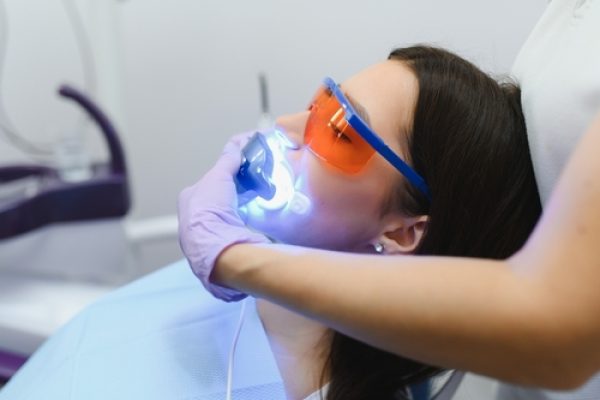
Safety is my top priority. When we use the laser, we will give you special protective eyewear. Just like sunglasses protect your eyes from the sun, these glasses protect your eyes from the laser beam. With these precautions, laser dentistry is as safe, if not safer, than traditional tools because it reduces the risk of bacterial cross-contamination.
For more authoritative information on how these procedures are regulated and their safety profile, I recommend reading this article from the American Dental Association’s MouthHealthy website.
Benefits at a Glance
If you are still on the fence, let me summarize why I prefer using lasers for gum disease and cavities:
- Minimally Invasive: We save more of your natural tooth and gum tissue.
- Less Pain: Reduced need for injections and drills creates a more comfortable experience.
- Faster Healing: Lasers stimulate tissue regeneration and reduce inflammation.
- Sterilization: The high-energy beam kills bacteria immediately, reducing the risk of post-op infections.
- Precision: I can treat the exact spot necessary without damaging surrounding areas.
Frequently Asked Questions
Is laser dentistry covered by insurance?
In many cases, yes. Dental insurance usually covers the procedure itself (like a filling or deep cleaning) regardless of the tool used to do it. However, coverage varies by plan. My office team is experts at navigating these benefits and can help determine your coverage before we start.
Is laser dentistry safe for children?
Absolutely. In fact, it is often better for children. Because it is faster and often requires no shots, kids have a much easier time sitting through the appointment. It creates a positive association with the dentist from a young age.
Does the laser make any noise?
It makes a quiet tapping or popping sound, along with the sound of the air suction. It does not make the high-pitched whining or grinding noise associated with traditional drills.
Can lasers remove old silver fillings?
Lasers are generally not used to remove old amalgam (silver) fillings because the heat can vaporize the mercury in the filling. However, lasers are excellent for removing old composite (white) fillings and preparing the tooth for a new restoration.
Taking the Next Step for Your Health
I believe that technology should serve the patient, not the other way around. By incorporating laser dentistry into my practice, I can offer you a level of care that is gentler, faster, and more effective than what was possible in the past. Whether you are dealing with early signs of gum disease or have a cavity that has been bothering you, you do not have to fear the treatment.
Your oral health is a window to your overall health. Ignoring gum disease or cavities can lead to heart issues, diabetes complications, and other systemic problems. With minimally invasive laser treatments, we remove the obstacles of pain and fear, making it easy for you to prioritize your well-being.
If you have any questions about how lasers work or if you want to see if you are a candidate for this technology, please reach out to my office. I am here to help you achieve a healthy, beautiful smile without the stress. Let’s make your next dental visit the easiest one you have ever had.