As Dr. Bruce Vafa, I have spent years helping patients regain their confidence through their smiles. There is truly nothing quite like the feeling of seeing a patient look in the mirror and beam with happiness because their teeth look healthy, whole, and completely natural. In the world of restorative dentistry, technology has come a long way. We used to rely heavily on metal to provide strength for dental repairs, but today, we have a much better option.
If you have a damaged tooth or a missing space in your smile, you might be worried that fixing it will result in a fake-looking “chiclet” or a tooth with a noticeable dark gray line at the gums. I am here to tell you that those days are behind us. Today, we utilize ceramic crowns and bridges to create metal-free restorations that are virtually indistinguishable from your natural teeth. These materials offer the perfect blend of beauty and strength, allowing you to eat, speak, and laugh without a second thought.
What Are Ceramic Crowns and Bridges?
Before we dive into why these are such a fantastic choice, let’s break down exactly what they are. In my practice, I believe in educating my patients so they can make the best decisions for their oral health.
A dental crown is essentially a “cap” that covers a damaged or decayed tooth. It restores the tooth’s shape, size, strength, and appearance. When we talk about ceramic crowns, we are referring to crowns made entirely from high-strength dental porcelain or ceramic materials, such as Zirconia or Lithium Disilicate (often known as E.max). Unlike older crowns that had a metal core covered by porcelain, these are metal-free throughout.
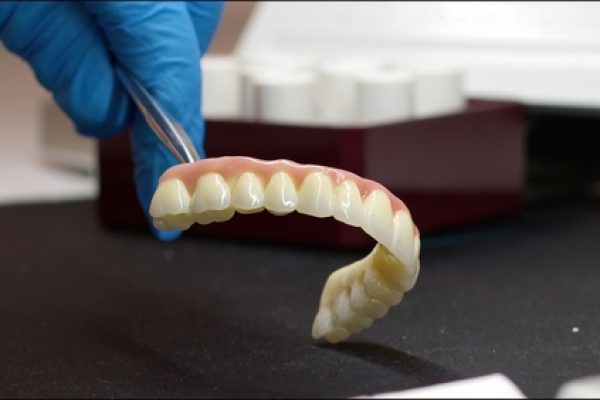
A dental bridge, on the other hand, is used to bridge the gap created by one or more missing teeth. It is made up of two or more crowns for the teeth on either side of the gap, with a false tooth (pontic) in between. When we make these out of all-ceramic materials, the result is a seamless flow that looks exactly like your natural gum line and teeth.
The Problem with Metal: Why We Are Moving Away from It
For decades, Porcelain-Fused-to-Metal (PFM) crowns were the gold standard. They were strong, but they had significant aesthetic drawbacks. Because there was metal underneath the white porcelain, the tooth often had an opaque, chalky appearance. It didn’t reflect light the way natural enamel does.
Even worse, as time went on and the gums naturally receded slightly, a thin dark line of metal would often appear at the base of the tooth. This is a dead giveaway that dental work has been done. Furthermore, some patients have sensitivities or allergies to certain metals used in dentistry.
By switching to all-ceramic options, we eliminate the dark lines, the opacity, and the risk of metal allergies entirely. We are aiming for biomimetic dentistry—procedures that mimic nature as closely as possible.
The Major Benefits of Choosing Ceramic
When I recommend ceramic crowns to my patients, it is because they offer a superior list of benefits that align with modern aesthetic demands and health standards.
1. Superior Aesthetics
This is the number one reason patients ask for ceramic. Natural tooth enamel is translucent; it allows light to pass through it slightly. All-ceramic materials mimic this translucency perfectly. When light hits a ceramic crown, it glows with life just like your real teeth. We can color-match these restorations precisely to blend in with your surrounding teeth.
2. Biocompatibility
Ceramic is a highly biocompatible material. This means it is friendly to the living tissue in your mouth. The gum tissue responds very well to ceramic, often growing up against it tightly and healthily, which helps prevent future gum disease around the restoration. There is zero risk of metal toxicity or allergic reactions.
3. impressive Durability
There is a misconception that “ceramic” means “fragile,” like a dinner plate. In dentistry, this isn’t true. Modern ceramics, especially Zirconia, are incredibly tough. Zirconia is sometimes referred to as “ceramic steel.” It can withstand the heavy forces of chewing and grinding, making it suitable even for back molars.
Data Point: Clinical Survival Rates
You might be wondering about longevity. According to clinical research, all-ceramic restorations have shown excellent long-term results. Studies indicate that modern all-ceramic crowns have a survival rate of over 90% after 10 years of service. This proves that you do not have to sacrifice longevity to get a beautiful smile.
The Process: What to Expect in My Chair
Getting ceramic crowns or bridges is a straightforward process that typically takes two visits, though technology is making this faster every day. Here is a walk-through of what happens when you come to see me for this procedure.
Step 1: The Consultation and Exam
First, we talk. I want to know your goals. Are you in pain? Do you want to fix a crooked tooth? We take X-rays to check the health of the roots and surrounding bone. If the tooth is viable, we move forward.
Step 2: Preparation
To place a crown, I need to gently reshape the tooth to make room for the new cap. This ensures the final tooth isn’t bulky. We make sure you are completely numb and comfortable during this step. If we are doing a bridge, I will prepare the anchor teeth on either side of the gap.
Step 3: Impressions
We need an exact replica of your mouth. In the past, this meant biting into a tray of gooey material. While we still do that sometimes, we often use digital scanners now. These create a 3D model of your teeth on a computer, which is sent to our dental lab. This is where the magic happens—skilled technicians craft your restoration to fit your bite perfectly.
Step 4: The Temporary
You won’t leave my office with a shaved-down tooth. I will place a temporary crown or bridge to protect your teeth while the permanent ceramic one is being crafted. This usually takes about one to two weeks.
Step 5: Bonding the Permanent Restoration
When you return, I remove the temporary and place the final ceramic restoration. We check the fit, the bite, and most importantly, the look. Once we are both happy, I cement it permanently. The result is a seamless addition to your smile.
Visualizing the Difference: Aesthetics vs. Materials
It can be hard to visualize why materials matter so much. I have put together a simple chart to help you understand how different crown materials perform regarding natural appearance.
Natural Appearance Rating by Material
*Ratings based on translucency and color-matching capabilities.
Addressing Common Concerns
I understand that dental work is an investment, both financially and emotionally. Many patients worry about the sensitivity of their teeth after the procedure. Because ceramic is less conductive than metal, patients often report less sensitivity to hot and cold foods with all-ceramic crowns compared to metal-based ones. This is a huge factor in your daily quality of life.
Furthermore, the digital technology we use to design these crowns ensures a fit that is accurate to the micrometer. A better fit means fewer bacteria can sneak underneath the crown, which prevents decay from restarting.
Data Point: Patient Satisfaction
Aesthetics drive many decisions in dentistry. A survey regarding patient satisfaction with dental restorations found that over 85% of patients cited “natural appearance” and “color match” as their highest priority when choosing a material for visible teeth. Ceramic is the only material that consistently scores high in these categories.
Maintenance: Taking Care of Your Investment
Once you have your beautiful new ceramic crowns or bridge, you need to take care of them. The good news is that maintenance is very similar to caring for your natural teeth. You do not need any fancy equipment.
- Brush twice a day: Use a non-abrasive fluoride toothpaste. While the ceramic won’t decay, the tooth underneath it still can if plaque accumulates at the gum line.
- Floss daily: This is critical. For bridges, you will need to use a floss threader or a water flosser to clean underneath the false tooth (pontic). I will show you exactly how to do this.
- Avoid hard objects: Do not chew on ice, hard candy, or pens. While Zirconia is strong, ceramic can chip under extreme, focused pressure.
- Regular check-ups: Come see me every six months. I need to check the integrity of the crown and ensure the gums around it remain healthy.
For more detailed information on how different restorative materials compare and the standards for dental care, I recommend reading this resource from the American Dental Association (ADA) on Dental Crowns. It is a high-quality source that backs up what we discuss in the office.
Frequently Asked Questions
In my practice, I hear many of the same questions regarding metal-free restorations. Here are the answers to the most common ones.
1. Do ceramic crowns stain like natural teeth?
High-quality glazed ceramic is actually very resistant to staining—more so than natural tooth enamel. However, over a very long time, surface stains can accumulate, or the cement at the edge might discolor slightly. Regular professional cleanings will keep them looking bright.
2. Can a ceramic bridge replace front teeth?
Absolutely. In fact, this is the best place for them. Because the front teeth are the most visible, an all-ceramic bridge provides the most natural look. We can add character to the porcelain so it matches the slight imperfections of your real teeth, making it look authentic.
3. Is the procedure painful?
Modern dentistry is all about comfort. We use local anesthesia to ensure you don’t feel a thing during the preparation phase. After the numbness wears off, you might feel some slight soreness in the gums for a day or two, but it is typically managed easily with over-the-counter pain relievers.
4. How long do they last?
As mentioned earlier, they can last well over a decade, often 15 years or more with proper care. The lifespan depends heavily on your oral hygiene habits and whether you grind your teeth at night (in which case, I would recommend a night guard).
A Final Word on Your Smile
Your smile is often the first thing people notice about you. It conveys warmth, confidence, and health. Choosing ceramic crowns and bridges is about more than just fixing a broken tooth; it is about restoring the integrity of your smile in a way that respects the natural biology of your mouth. Metal-free dentistry is cleaner, looks better, and provides a level of confidence that old-fashioned materials simply cannot match.
If you have a tooth that is bothering you, or a gap you have been hiding, please don’t hesitate to reach out. We can look at your options together and find a solution that makes you want to smile every single day.