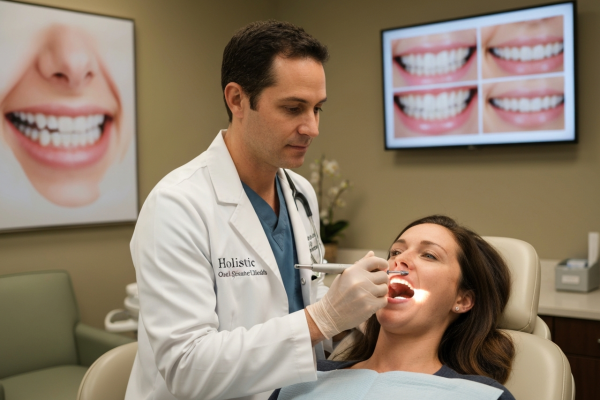
Have you ever thought about how your mouth is actually the gateway to the rest of your body? As a dentist, I often tell my patients that what happens in your smile rarely stays just in your smile. For years, we treated teeth and gums as if they were separate from the heart, the lungs, or the brain. But today, science tells us a much different, more interconnected story.
I am Dr. Bruce Vafa, and in my years of practice, I have seen firsthand how improving a patient’s smile can lead to better overall wellness. It is a concept called the “oral-systemic connection.” While it might sound complicated, it is actually quite simple: the health of your mouth mirrors the health of your body. When we take care of one, we are actively taking care of the other.
In this post, I want to walk you through exactly how oral health influences your general well-being. We will look at the science, explore the links to major health conditions, and, most importantly, talk about the positive steps you can take today to protect yourself. Let’s dive in.
The Mouth as a Gateway: Understanding the Connection
Think of your mouth as the main entrance to your body. It is teeming with bacteria. Most of these bacteria are harmless and actually help keep your mouth healthy. However, without proper brushing and flossing, bacteria can reach levels that might lead to oral infections, such as tooth decay and gum disease.
When you have gum disease (periodontitis), your gums become inflamed. This inflammation is the key. It acts like a breach in your body’s defense walls. It allows bacteria and the toxins they produce to enter your bloodstream. Once they are in the blood, they can travel anywhere in the body.
This is why I emphasize that oral health is not just about having a bright smile; it is about maintaining a strong immune system and a healthy body. It is empowering to know that by spending just a few minutes a day on your teeth, you are actively fighting inflammation throughout your entire system.
The Heart of the Matter: Cardiovascular Health
One of the most well-researched connections in our field is the link between gum disease and heart health. It might seem strange to think that your gums could affect your heart, but the evidence is strong. When inflammation occurs in the mouth, it causes the arteries to harden, a condition known as atherosclerosis. This makes it harder for blood to flow to your heart.
Furthermore, the bacteria found in gum disease have actually been found within the plaque that clogs arteries. This suggests that these bacteria can latch onto blood vessels far away from the mouth.
Data Point: The Risk Factor
According to research highlighted by the American Academy of Periodontology, people with gum disease are nearly two times more likely to suffer from coronary artery disease than those with healthy gums. This statistic reminds us that your toothbrush is a powerful tool for heart protection.
For more deep reading on this specific connection, I recommend reading this article from Harvard Health regarding the inflammation link.
Diabetes and Oral Health: A Two-Way Street
If there is one relationship I watch closely in my practice, it is the one between diabetes and gum disease. This relationship is unique because it goes both ways. It is a “bidirectional” relationship.
First, people with diabetes are more susceptible to gum disease. High blood sugar weakens the white blood cells, which are the body’s main defense against bacterial infections that can occur in the mouth. Second, and this is crucial, severe gum disease can actually increase blood sugar, making it harder for diabetics to control their insulin levels.
I always tell my patients with diabetes that treating their gums can help them manage their diabetes. It is a positive cycle: better oral health leads to better blood sugar control, which in turn leads to better oral health.
Alzheimer’s Disease and Brain Health
This is a newer area of research, but it is incredibly significant. Scientists have begun finding links between the bacteria responsible for gum disease and Alzheimer’s disease. The theory is that these bacteria can travel through the bloodstream or along nerve channels and enter the brain. Once there, they may release enzymes that destroy nerve cells, leading to memory loss.
While this sounds scary, I view it as a motivation. It gives us yet another reason to prioritize our dental hygiene as we age. Keeping your gums healthy might just be one of the ways to keep your mind sharp.
Pregnancy and Birth Outcomes
During pregnancy, a woman’s body goes through massive hormonal changes. These changes can make the gums more sensitive and prone to inflammation, a condition often called “pregnancy gingivitis.”
We know that severe gum disease in pregnant women has been linked to premature birth and low birth weight. The theory is that the oral bacteria release toxins that reach the placenta and interfere with the growth and development of the fetus. I always advise expecting mothers to keep up with their dental checkups. It is perfectly safe and highly recommended to get your teeth cleaned during pregnancy to ensure both mom and baby stay healthy.
Respiratory Health
We breathe through our mouths often. If the mouth is full of unhealthy bacteria, we can inhale those fine droplets directly into the lungs. This can increase the risk of respiratory infections, such as pneumonia or chronic obstructive pulmonary disease (COPD). For the elderly or those with compromised immune systems, good oral health is a vital defense against lung infections.
Visualizing the Impact: Oral Health Risk Factors
Below is a representation of how significantly gum disease correlates with various systemic conditions based on patient population studies.
Heart Disease Risk Increase
Diabetes Complication Risk
Respiratory Infection Risk
*Graph represents relative risk correlations observed in periodontal studies.
What This Means for You: Actionable Steps
Now that we understand the connections, let’s talk about the solution. The best news about the oral-systemic connection is that it is largely within your control. You have the power to reduce these risks every single day.
1. Master the Basics
It sounds cliché, but brushing twice a day for two minutes and flossing once a day is your first line of defense. Flossing is particularly important because it removes the bacteria hidden under the gumline where your toothbrush cannot reach. If you hate flossing, ask me about water flossers—they are a fantastic alternative.
2. Watch Your Diet
Sugar is the primary fuel for the bacteria that cause gum disease. By reducing sugary snacks and drinks, you starve the bad bacteria. Instead, focus on crunchy fruits and vegetables which increase saliva flow and naturally clean the teeth.
3. Don’t Skip the Dentist
Professional cleanings are not just about making your teeth look white. We use tools that remove hardened tartar that you simply cannot remove at home. Regular exams also allow me to spot early signs of gum disease (gingivitis) before it progresses to periodontitis.
4. Know Your Risk Factors
Smoking, genetics, and hormonal changes all play a role in gum disease. If you smoke, quitting is the single best thing you can do for your gums and your body. If you have a family history of gum disease, let me know so we can monitor your oral health more closely.
Data Point: The Cost of Neglect
A study by the United Concordia found that individuals with chronic conditions (like diabetes) who treated their gum disease had medical costs that were up to $2,800 lower per year than those who did not. Healthy mouths save money!
Frequently Asked Questions (FAQ)
Can bad teeth really cause heart problems?
Yes, there is a significant link. The bacteria from infected gums can enter the bloodstream and contribute to the inflammation and narrowing of arteries, which increases the risk of heart disease.
Is gum disease reversible?
In its early stage, known as gingivitis, it is absolutely reversible! With better brushing, flossing, and a professional cleaning, your gums can return to total health. However, once it advances to periodontitis, we can manage it and stop it from getting worse, but we cannot always regrow lost bone.
How do I know if I have gum disease?
Common signs include gums that bleed when you brush or floss, persistent bad breath, red or swollen gums, and teeth that feel loose. However, gum disease can sometimes be silent, which is why regular checkups are essential.
Does treating gum disease help with diabetes?
Studies suggest that treating gum disease can help lower blood sugar levels, making diabetes easier to manage. It is a great example of how improving your smile improves your life.
How often should I see Dr. Bruce Vafa?
For most patients, every six months is perfect. However, if you have active gum disease or other health conditions, I might recommend seeing you every three or four months to ensure we keep the bacteria under control.
Your Health is in Your Hands
I hope this journey through the body has shown you just how vital your smile is. It is not just about aesthetics; it is about longevity and vitality. By taking care of your oral health, you are making a conscious decision to protect your heart, your brain, and your entire body.
The next time you pick up your toothbrush, remember that you are doing much more than cleaning your teeth. You are boosting your immune system and investing in your future health. If it has been a while since your last checkup, or if you have noticed any bleeding or sensitivity, please do not hesitate to reach out. We can work together to get your oral health back on track, ensuring you stay healthy, happy, and smiling for years to come.